Ravenna for Mosaics That Outshine Bigger-Name Cities
Ravenna rewards museum-minded travelers with a concentration of late antique mosaics and related collections that few larger Italian cities can match.
Why Ravenna belongs at the top of a mosaic itinerary
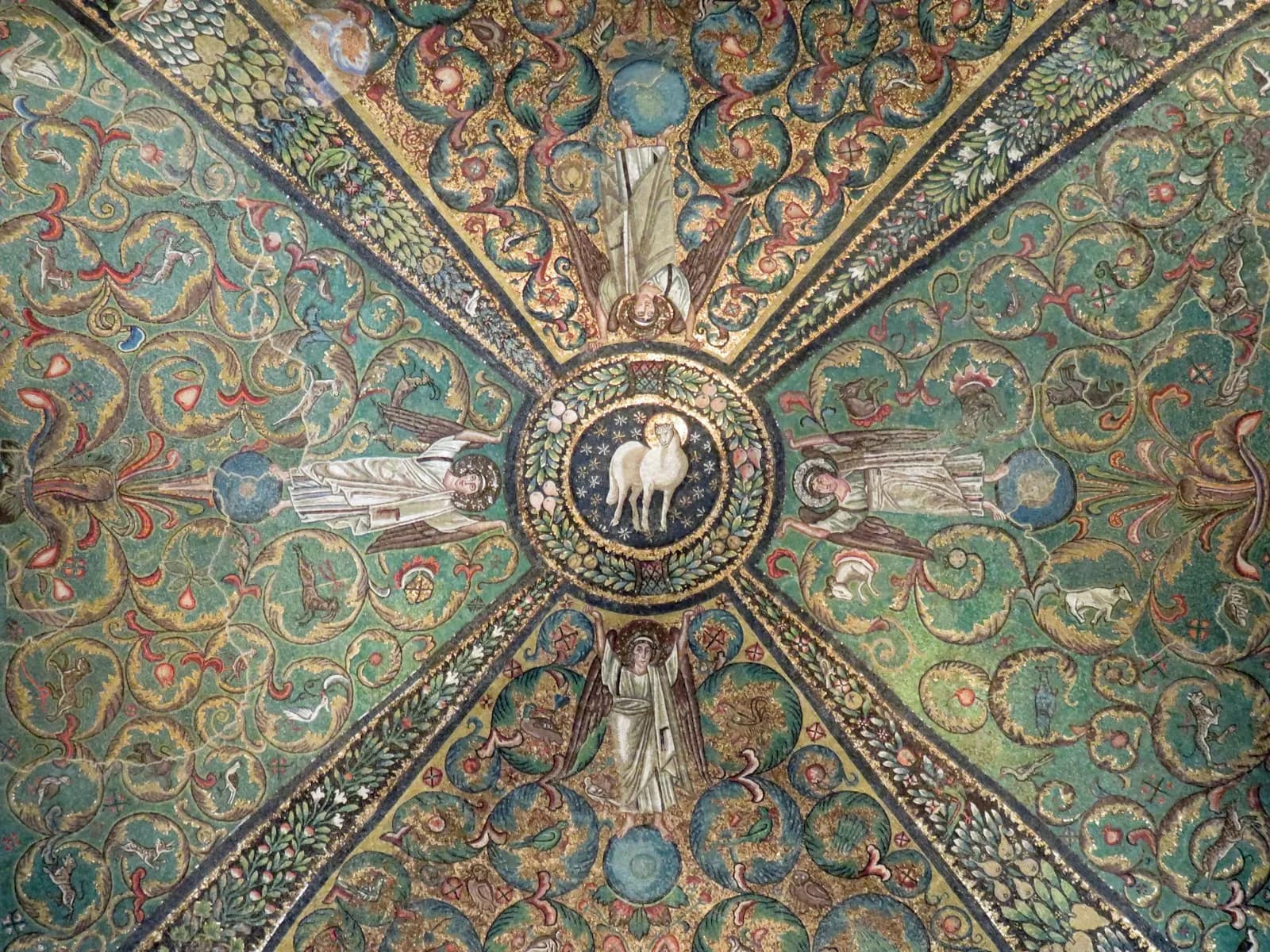
Travelers often reach Ravenna after ticking off Italy’s headline cities, then discover that this compact city in Emilia-Romagna holds one of Europe’s most astonishing concentrations of mosaic art. Ravenna was a western imperial capital in the 5th century and later an important Byzantine center, and that layered past still glows across its churches, baptisteries and museums. UNESCO recognizes eight Early Christian monuments here, built between the 5th and 6th centuries, as a group of exceptional importance for both architecture and mosaic decoration.
What makes Ravenna feel different from bigger-name destinations is not only quality but density. In a walkable historic center, you can move from the starry vault of the Mausoleum of Galla Placidia to the imperial drama of San Vitale, then continue to museum collections that explain how mosaic remained a living art rather than a sealed chapter of antiquity. For visitors interested in museums, that continuity is the city’s real advantage: Ravenna lets you see masterpieces in situ, then follow the technique into archaeological displays, civic collections and contemporary practice.
This is also a city where the monuments are not interchangeable. Each site reveals a slightly different political, religious or artistic story, from Orthodox and Arian patronage to shifts between Roman naturalism and more hieratic Byzantine imagery. The result is a destination that rewards close looking far more than checklist sightseeing.
The essential mosaic monuments in the center
Basilica of San Vitale
If you have time for only one monument, make it San Vitale. Its octagonal plan is striking before you even raise your eyes, but the real impact comes in the presbytery and apse, where mosaics create one of the defining interiors of late antiquity. The famous panels of Justinian and Theodora are not just beautiful details; they show how Ravenna stood at the meeting point of faith, ceremony and imperial power. In a city full of great works, San Vitale still feels like the intellectual and visual center of the whole story.
Mausoleum of Galla Placidia
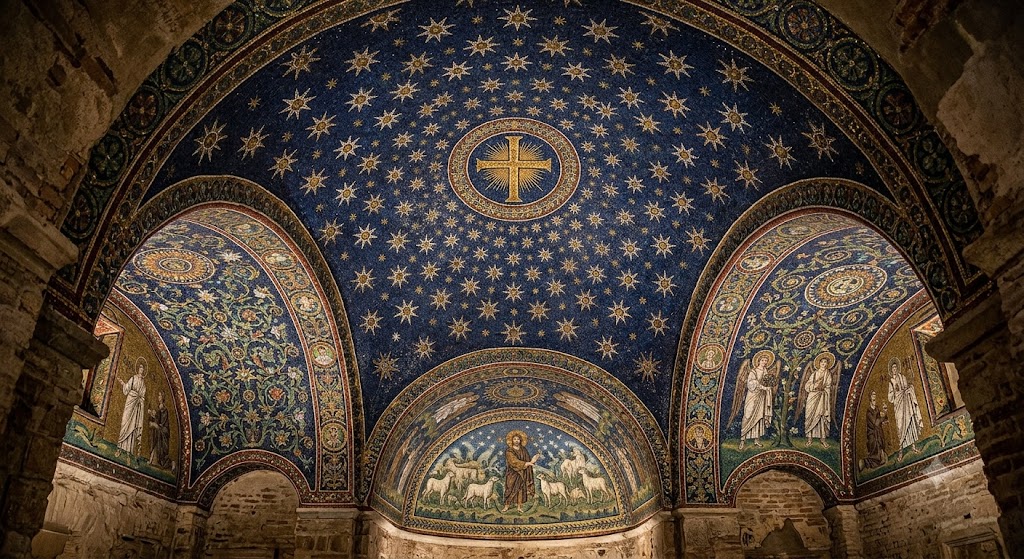
Just steps away, the Mausoleum of Galla Placidia offers the opposite kind of grandeur: intimate, dark, and almost cosmic. Its deep blue vault scattered with stars is one of Ravenna’s most memorable images. Visitors often remember this small building as vividly as the larger basilicas because the mosaics seem to dissolve the architecture from within. It is a reminder that Ravenna’s greatness is not measured in scale.
Neonian Baptistery and the Archiepiscopal Chapel
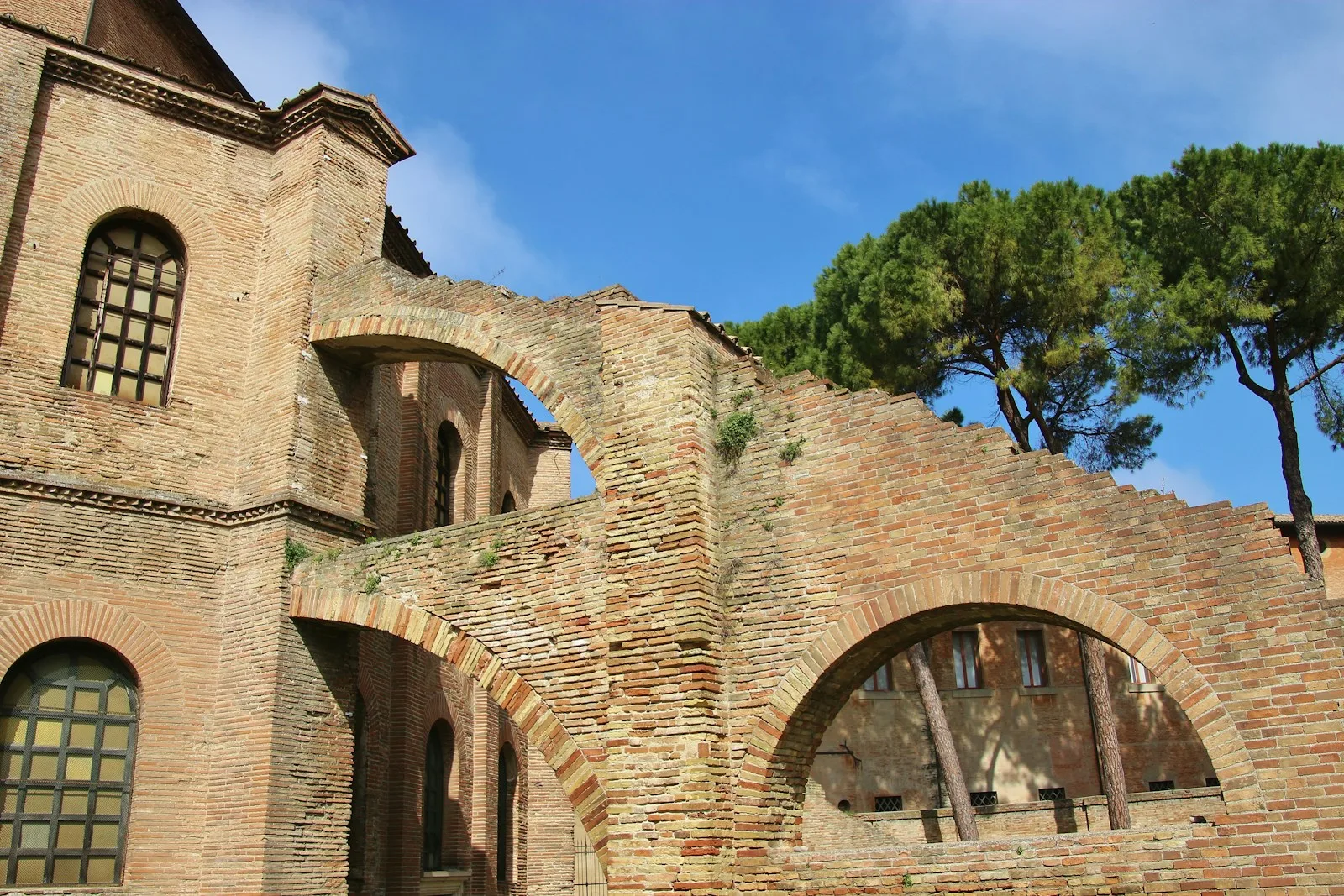
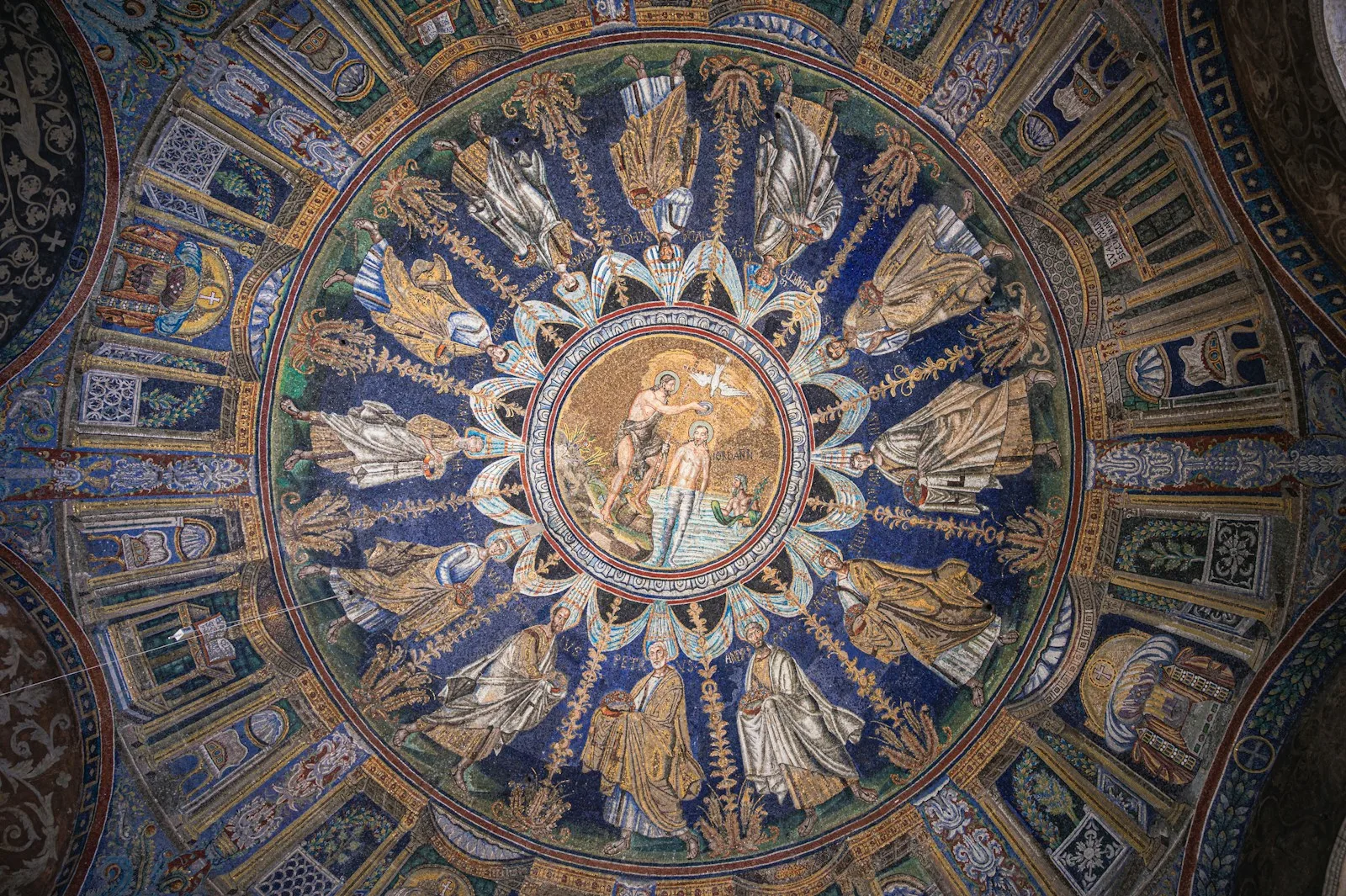
The Neonian Baptistery preserves one of the city’s key early Christian domes, where the baptism of Christ is rendered with remarkable clarity and movement. Nearby, the Archiepiscopal Chapel of Sant’Andrea is smaller and easier to miss, which is exactly why it rewards museum-minded travelers. UNESCO describes it as the only Orthodox monument built during Theodoric’s reign, and its survival adds a political dimension to the visit. The chapel sits within the Archiepiscopal Museum, so it works especially well for travelers who want objects and context alongside the monuments themselves.
Sant’Apollinare Nuovo
Sant’Apollinare Nuovo stretches the experience horizontally rather than vertically. Long processions of saints and martyrs advance along the nave walls, creating a rhythm that differs from the concentrated splendor of domes and apses elsewhere in the city. Originally connected with Theodoric’s Arian court, the church is a key stop for understanding how Ravenna’s mosaic language changed with religion and rule.
Go beyond the headline sites: museums that deepen the story
Archiepiscopal Museum
Ravenna’s monuments are strongest when paired with its museums, and the Archiepiscopal Museum is one of the smartest combinations in town. Alongside the chapel, the museum holds works and archaeological material tied to the city’s ecclesiastical history. For visitors who sometimes feel that church visits blur together, this museum helps separate Ravenna’s strands and gives names, dates and functions to what you have been seeing in stone, marble and glass tesserae.
MAR – Ravenna Art Museum
To understand why Ravenna is not only a place of ancient mosaics, head to MAR, the city art museum, in the Loggetta Lombardesca complex. Local tourism material identifies it as a strong starting point for the evolution of contemporary mosaic art, and that is exactly how to use it. Instead of repeating the UNESCO monuments, MAR shows how artists in Ravenna carried the medium into modern and contemporary work. For travelers approaching the city through a museums lens, this matters: Ravenna’s claim is not merely that it preserves mosaics, but that it still thinks with them.
Classis Ravenna
South of the center in Classe, the Classis Ravenna museum expands the frame from individual monuments to the territory that made them possible. Housed in a former industrial building, it presents the history of Ravenna and its surrounding area, including the port world that once connected the city to the wider Mediterranean. This is the place to visit if you want to understand why Ravenna, rather than Florence or Venice, became such a decisive center in late antiquity. The museum also links naturally with a visit to Sant’Apollinare in Classe.
Domus dei Tappeti di Pietra
Although not one of the eight UNESCO monuments, the Domus dei Tappeti di Pietra adds an archaeological note that enriches a mosaic-focused trip. Set below street level near San Vitale, it preserves extensive floor decorations from a late antique residence or complex. The experience shifts your eye from glittering wall mosaics to the equally sophisticated world underfoot.
Make time for Classe and the edges of the story
One reason Ravenna outshines larger cities for mosaic lovers is that the experience does not end in the old center. About 8 kilometers south lies the Basilica of Sant’Apollinare in Classe, another of the UNESCO monuments and one of the most atmospheric excursions in the area. Its setting, slightly apart from the city, helps you imagine the older landscape of port, marsh and movement that shaped Ravenna’s rise. Inside, the great apse mosaic is among the city’s most distinctive images, with Sant’Apollinare set within a symbolic, luminous vision rather than a crowded narrative scene.
Also worth noting is the Mausoleum of Theodoric and the Arian Baptistery, both part of the UNESCO group. Even when their mosaic decoration is less extensive than at San Vitale or Sant’Apollinare Nuovo, they are crucial to the city’s political and religious map. Ravenna is best understood as a network of monuments rather than a single blockbuster interior.
How to see Ravenna well
Ravenna is unusually friendly to slow cultural travel. The railway station is close enough to the center that many visitors can begin on foot, and the historic core is manageable without rushing. A smart approach is to divide the city into two layers: first the central UNESCO monuments, then the museums that interpret them. That order lets the visual shock come first and the explanation second.
If you are choosing priorities, pair San Vitale with the Mausoleum of Galla Placidia, then add either Sant’Apollinare Nuovo or the Neonian Baptistery depending on whether you prefer long narrative walls or compact dome imagery. After that, use MAR if your interest is the afterlife of mosaic as an art form, or Classis Ravenna if your interest is historical context. The Archiepiscopal Museum works especially well between monument visits because it combines both approaches.
Ravenna is also a city where looking slowly pays off. Stand back first to register the overall composition, then move closer to study how color, gold ground and tiny tesserae create depth and shimmer. In bigger cities, famous works can be crowded into a broader agenda. In Ravenna, mosaic is the agenda, and that focus is exactly what makes the visit so satisfying.
Why Ravenna can outshine Italy’s larger art capitals
Ravenna does not compete with Rome, Florence or Venice by offering more of everything. It wins by offering something tighter, rarer and more coherent. Nowhere else in Italy presents such a concentrated encounter with the transition from the late Roman world to the Byzantine one, still legible in original spaces and supported by museums that continue the conversation into the present.
For museum travelers, that combination is hard to beat. You are not simply entering beautiful buildings; you are moving through a city where political history, religious change, archaeology and artistic technique all remain visible in mosaic. The monuments dazzle, but the deeper pleasure of Ravenna is realizing that they are part of a complete cultural landscape. That is why this smaller city can outshine places with bigger names: it offers not just masterpieces, but mastery of a medium across an entire destination.
Was this travel report helpful for your journey?
Let our editorial desk know how this coverage assisted your plans.