A Sunday at El Rastro, Madrid’s living flea-market ritual
In Madrid, a Sunday at El Rastro is as much about vermouth, tapas and neighborhood markets as it is about browsing stalls on the Ribera de Curtidores.
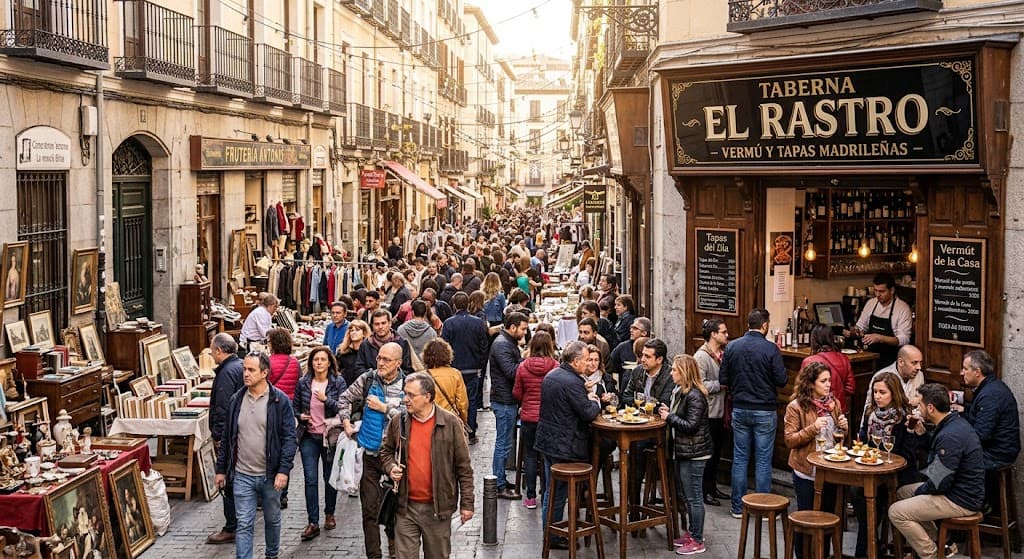
Madrid wakes up hungry on Sundays
El Rastro is Madrid at full volume: a Sunday-and-holiday street market that spills through Embajadores around Plaza de Cascorro, Ribera de Curtidores and a web of adjoining streets. It has been part of the city’s life for more than 250 years, rooted in the old tanning district that once occupied this slope south of the historic center. Today people still come for the hunt — antiques, oddities, vinyl, clothes, tools, postcards — but the deeper ritual is social. You browse, you linger, and sooner or later you stop for something to drink and something to eat.
That is what makes a Sunday here especially Madrileño. El Rastro is not an isolated attraction but a moving corridor between La Latina and Lavapiés, two neighborhoods where market culture and bar culture naturally overlap. The result is a half-day plan shaped by appetite: coffee before the crowds, a mid-morning vermouth, a tapa standing at the bar, then lunch somewhere with enough gravity to pull you off the street.
The market officially runs on Sundays and public holidays in the morning into early afternoon, and the busiest hours are exactly when Madrid’s aperitivo habits kick in. If you want to understand why locals speak of going to the Rastro almost like keeping an appointment, follow the food as much as the stalls.
How to arrive with your appetite intact
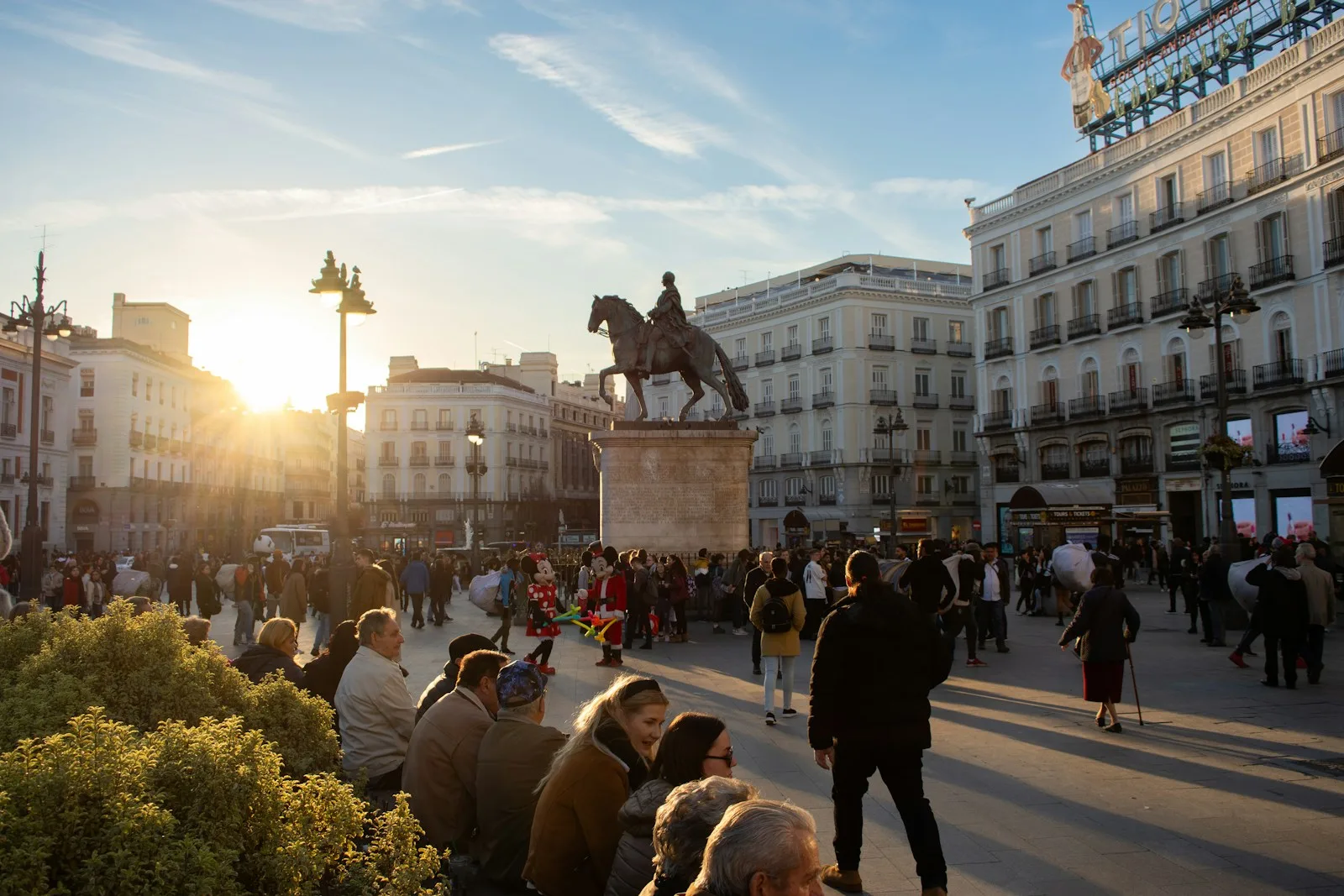
Part of the pleasure is choosing your approach. Many visitors start at Plaza de Cascorro and drift downhill along Ribera de Curtidores, where the market’s main artery gives a quick sense of scale. Others arrive from Embajadores and walk up through the commotion. Madrid’s tourism guidance also points to La Latina, Tirso de Molina and Embajadores as practical metro stations for reaching the market area, and Embajadores adds Cercanías connections.
For a food-focused Sunday, it helps to think geographically. The La Latina side puts you closer to old taverns, Cava Baja and the Mercado de la Cebada. The Lavapiés-Embajadores edge makes it easy to continue toward the Mercado de San Fernando, where the atmosphere shifts from street market bustle to neighborhood market grazing. Either route works; the trick is not to rush.
Go expecting to walk, stand and improvise. El Rastro spreads well beyond one street, and that wandering is part of the point. The streets around General Vara del Rey, San Cayetano, Mira el Río and Carlos Arniches all contribute to the texture of the morning. A rigid checklist misses the charm. Better to keep a loose plan: browse first, pause for vermouth, browse again, then choose your lunch according to which side of the market you naturally end up on.
The classic Rastro hunger curve
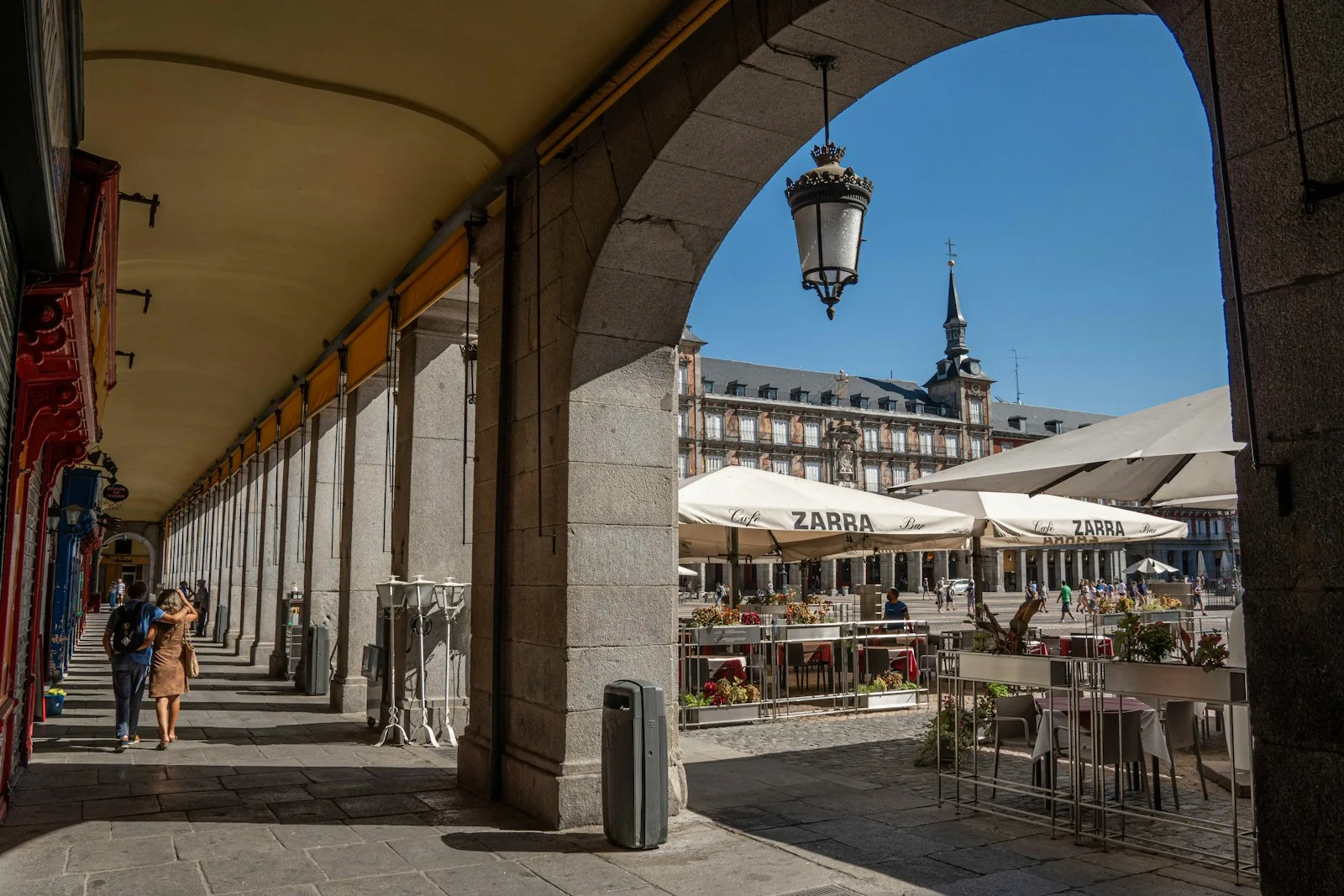
A Sunday here tends to unfold in stages. Early arrivals often begin with coffee in one of the surrounding cafés before the market reaches full density. After an hour of walking, Madrid’s most traditional answer appears: vermouth or a caña with a simple tapa. Tourism Madrid explicitly links a morning at El Rastro with stopping in the area’s tapas bars, and that is exactly how the day works in practice. Browsing sharpens the appetite.
The aperitif matters because it slows you down. El Rastro can feel hectic if you treat it like a shopping errand, but it becomes enjoyable when you let the bar break the morning into chapters. A quick drink near Plaza de Cascorro resets the pace. Another possibility is pushing on toward La Latina, where the narrow lanes and old tabernas turn the outing into a tapeo route almost by default.
The best food choices around El Rastro are not necessarily the most ambitious ones. This is a neighborhood of standing counters, tiled taverns, shared plates and market halls where eating feels woven into the street. You do not need a grand lunch reservation to eat well here, though you certainly can end with one.
What to look for in a Sunday stop
- Vermouth on tap or a cold beer rather than a long sit-down break.
- Small savory bites that keep you moving instead of ending the morning too early.
- A bar with enough turnover and energy to feel like part of the market itself.
- A lunch option nearby, so you can keep browsing until you are ready to settle in.
Where El Rastro meets Madrid’s bar culture
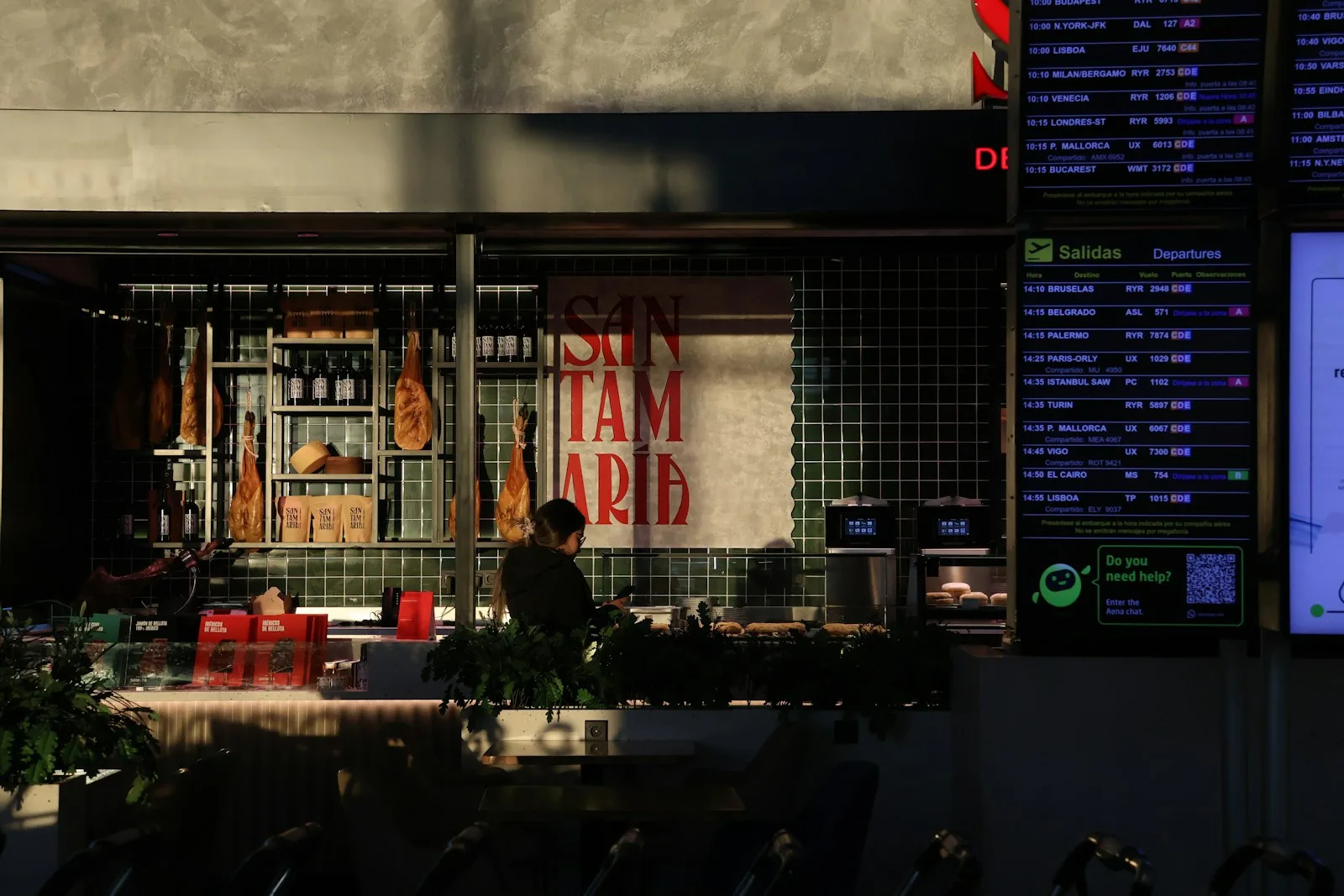
La Latina is the natural extension of the market morning. Madrid’s tourism information describes the area as a must for tapas, with both traditional taverns and newer bars threaded through its squares and alleyways. On Sunday, that matters because you do not really leave El Rastro when you stop for a drink here; you simply shift from stalls to barras.
If you want an old-school stop, Bodegas Ricla is one of the city’s noted vermouth addresses, praised by Tourism Madrid for its compact, standing-room character and its atmosphere among wine vats. It is not inside the market itself, but it fits the ritual: brief, lively and unmistakably of Madrid. A place like that makes sense after the market rather than before it, when you are ready to trade rummaging for conversation.
Cava Baja, just west of the market zone, is another classic continuation. Even when individual restaurant preferences differ, the appeal is consistent: this is where the Sunday crowd often stretches the aperitif into lunch. Casa Lucio remains one of the area’s landmark dining rooms, continuing the legacy of the old Mesón El Segoviano at Cava Baja 35. It is a more deliberate stop than a quick tapa bar, but for some visitors that transition from flea market to historic dining room is exactly the point of spending Sunday in this part of Madrid.
Two market-hall detours worth knowing
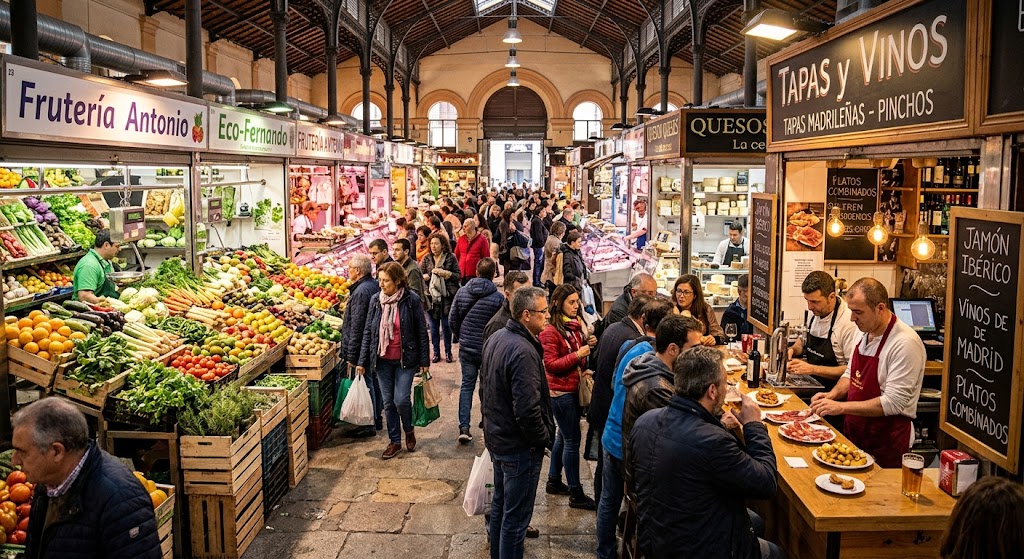
If the street crowds start to feel relentless, the best reset is often another market. This sounds circular, but in Madrid it makes perfect sense. Around El Rastro, two covered markets offer very different Sunday moods.
Mercado de la Cebada, in La Latina, stands just a short walk away and is one of Madrid’s best-known municipal markets. The city describes it as a sensory place to see, smell and taste, and notes its weekend tastings and seafood-and-fish samplings. Its current published schedule includes the first Sunday of each month from 11:00 to 17:00, making it a useful option if your Rastro outing happens to coincide with that opening. Even when you simply pass by, it helps anchor the neighborhood’s identity as more than a bar district.
Mercado de San Fernando, at Embajadores 41, gives you a different kind of Sunday continuation. Its own market materials lean into the idea of “Rastro and market Sundays,” presenting it as a place for aperitivo, lunch and an informal world tour of flavors without leaving Madrid. Because it sits in Lavapiés near Embajadores, it works especially well if you finish your browsing on the eastern side of El Rastro. The atmosphere is less about polished destination dining and more about local, mixed, easygoing grazing.
A practical Sunday route for eating well
- Start early enough to enjoy the streets before they are packed, entering from either Cascorro or Embajadores.
- Spend your first hour browsing without trying to cover everything; El Rastro rewards curiosity more than efficiency.
- Pause for an aperitif before noon, ideally somewhere that lets you stand at the bar and watch the Sunday flow.
- Decide your lunch zone based on where the market carries you: La Latina for taverns and Cava Baja, Embajadores-Lavapiés for Mercado de San Fernando.
- Leave room for one final detour, whether that is a municipal market, a second vermouth or a proper sobremesa.
The biggest mistake is treating food as secondary. At El Rastro, eating and drinking are not just convenient add-ons after shopping. They are what turn a crowded market into a ritual with rhythm. Madrid has many excellent restaurants, but few Sunday plans feel as local as wandering through old Embajadores, bargaining over something you did not know you wanted, and then joining the bar-side tide for vermouth and tapas.
That is why El Rastro belongs in a Food & Drink conversation as much as a shopping one. It expresses Madrid’s appetite for public life: the way a market becomes a neighborhood stage, the way an aperitif becomes an institution, and the way Sunday lunch can begin long before anyone sits down. Come for the stalls if you like. The memory you keep is likely to taste of vermouth.
Was this travel report helpful for your journey?
Let our editorial desk know how this coverage assisted your plans.