Inside the Museo de Bellas Artes de Valencia: Spain’s Majestic Treasure House of Fine Art
Located along the former Turia Riverbed in eastern Spain, the Museo de Bellas Artes de Valencia stands as one of the country's grandest cultural institutions.
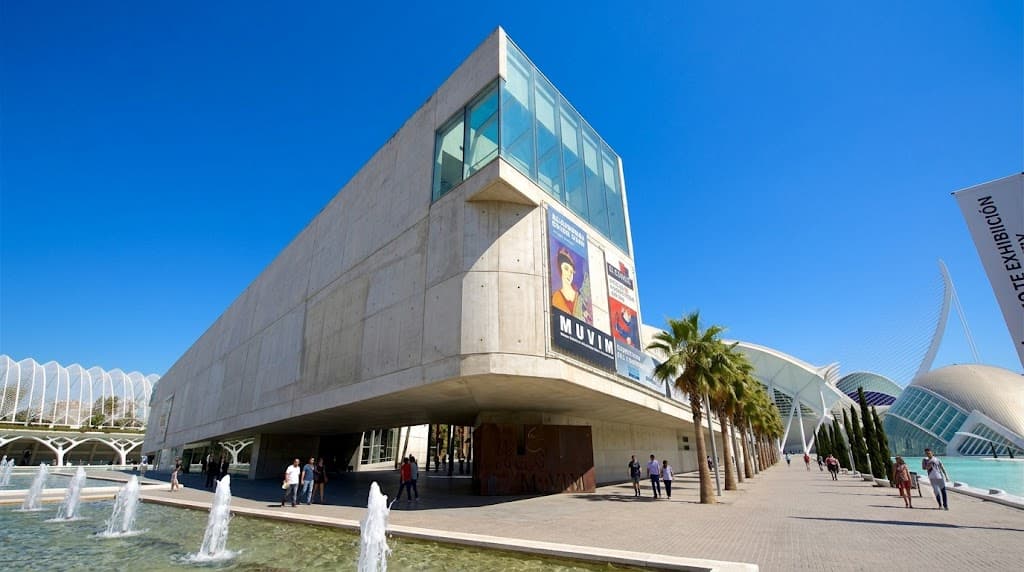
Introduction: Valencia’s Premier Artistic Sanctuary
When travelers plan a cultural itinerary through Spain, Madrid’s famous Golden Triangle of Art—anchored by the Prado Museum—often claims center stage. Yet, along the sunny coast of the western Mediterranean lies Valencia, a city where centuries of artistic brilliant heritage thrive alongside cutting-edge modern design. At the heart of Valencia's cultural landscape sits the Museo de Bellas Artes de Valencia (Museum of Fine Arts of Valencia).
Officially recognized as the second-largest art gallery in Spain in terms of canvas volume and historical significance, this magnificent museum houses thousands of works spanning from the 14th to the early 20th century. Unlike the bustling, crowded halls of Europe's largest capital museums, Valencia's fine arts sanctuary offers visitors an intimate, serene atmosphere. Here, in spacious, sunlit galleries surrounding a quiet baroque courtyard, you can stand face-to-face with masterpieces by Diego Velázquez, Francisco Goya, El Greco, Jusepe de Ribera, and Valencia's own master of impressionist light, Joaquín Sorolla.
The Architectural Odyssey: From Baroque Seminary to Fine Arts Palace
The physical museum building is as compelling as the treasures displayed within its galleries. The complex originally started as the Colegio Seminario de San Pío X, founded in 1683 by the Archbishop of Valencia, Juan Tomás de Rocabertí.
The Baroque Foundation
Designed by the municipal architect Juan Bautista Pérez Castiel, construction began in the late 17th century and continued well into the 18th century. The complex was built with two primary functional zones: a grand rectangular seminary building organized around a peaceful central cloister, and an adjoining church featuring an octagonal blue-tiled dome that remains a recognizable landmark along the city's skyline today.
The facade displays classical Spanish Baroque elements, incorporating heavy stone masonry, elegant lintels, and twin corner towers that give the complex a regal, fortress-like presence along the edge of the historic city center.
Turbulent Centuries and Modern Transformation
Over the next two centuries, the building endured significant historical upheaval:
The Peninsular War (1808–1814): The complex was temporarily seized and converted into a military facility and hospital.
19th-Century Confiscations: Following secularization laws across Spain, the church lost ownership of the property, and the structure was repurposed as a military academy.
Post-Civil War Relocation: The Museum of Fine Arts had originally been established inside the Convent of El Carmen in the 19th century. However, after that structure suffered physical degradation during the Spanish Civil War (1936–1939), the Spanish state decided to relocate Valencia’s art collections to the restored San Pío X complex.
Reopening officially in 1946, the building underwent several phased restorations over the late 20th and early 21st centuries. Modern glass corridors, state-of-the-art climate control systems, and expanded contemporary subterranean exhibition spaces were added, seamlessly blending 17th-century masonry with 21st-century architectural museum standards.
The Gothic Collection: Gilded Splendor of the Valencian School
One of the defining reasons art historians travel from across the world to visit the Museo de Bellas Artes de Valencia is its unparalleled collection of International Gothic and early Renaissance panel paintings.
During the 14th and 15th centuries, the Kingdom of Valencia was a major maritime commercial powerhouse within the Crown of Aragon. Wealthy merchants, guilds, and noble patrons poured vast fortunes into religious art, creating a thriving local movement known as the Valencian School. Artists from Flanders, Italy, and Germany migrated to the city, blending northern European realism with Italian narrative warmth.
+-------------------------------------------------------------------------------+
|                      CHRONOLOGICAL ARTISTIC EVOLUTION                         |
+-------------------------------------------------------------------------------+
|  14th–15th Century  | International Gothic  | Gilded retablos, tempera wood   |
|  16th Century       | Italianate Renaissance| Leonardo da Vinci influence    |
|  17th Century       | Golden Age Baroque   | Realism, chiaroscuro, drama    |
|  18th–19th Century  | Neoclassicism / Goya | Romanticism, royal portraiture |
|  Late 19th–20th C.  | Luminism & Realism   | Mediterranean light, Sorolla   |
+-------------------------------------------------------------------------------+
Iconic Gothic Highlights
When walking through the lower galleries, visitors are greeted by massive, fully preserved altarpieces (retablos) that shimmer under gallery lighting:
Nicolau de Marçal: Renowned for his expressive, dramatic compositions, Marçal’s works depict vivid martyrdoms and celestial visions characterized by intense color palettes.
Gonçal Peris: A central figure of the International Gothic style, his panels feature intricate gold leaf tooling, elaborate textiles, and expressive human faces.
Joan de Reixach: Known for large-scale multi-panel retablos, Reixach brought Flemish oil technique precision to Valencian religious painting, incorporating detailed landscapes in the backgrounds of sacred scenes.
These works serve not only as religious artifacts but as rich historical documentation, illustrating the armor, fashion, and domestic furnishings of late medieval Mediterranean Europe.
Renaissance Realism: Italian Masters and Iberian Innovation
As the 15th century transitioned into the 16th, Valencia served as the primary gateway through which Italian Renaissance techniques arrived on the Iberian Peninsula. Artists trained in Italy brought home advanced understandings of linear perspective, anatomical precision, and subtle sfumato lighting.
Paolo de San Leocadio and the Italian Bridge
Italian painter Paolo de San Leocadio settled in Valencia in the late 1470s under the patronage of the Borgia family (Rodrigo Borgia, later Pope Alexander VI, was born in nearby Xàtiva). San Leocadio’s works in the museum display exquisite spatial harmony, soft flesh tones, and detailed atmospheric landscape backgrounds reminiscent of early Florentine masters.
The Influence of Leonardo da Vinci
Perhaps the most notable Renaissance figures in the museum's collection are Fernando Yáñez de la Almedina and Fernando Llanos. Historic records indicate that "Fernando Spagnolo" worked directly alongside Leonardo da Vinci in Florence on the lost mural The Battle of Anghiari.
Upon returning to Valencia, Yáñez and Llanos executed stunning panel paintings that clearly reflect Leonardo’s stylistic imprint—soft sfumato shading, complex pyramidal compositions, and expressive facial postures. The museum holds several exceptional works by Yáñez, including depictions of the Virgin and Child that stand among the finest Renaissance paintings created in Spain.
El Greco and Mannerism
The transition into late Renaissance Mannerism is exemplified by Doménikos Theotokópoulos, universally known as El Greco. The museum houses his striking painting of St. John the Baptist. The work showcases El Greco’s signature elongated figures, dramatic lightning strokes, and spiritual intensity, offering a crucial bridge between Renaissance structure and Baroque emotionalism.
Golden Age Greats: Velázquez, Ribera, and Murillo
Spain’s Siglo de Oro (Golden Age) during the 17th century produced some of the most celebrated painters in Western art history. The Museo de Bellas Artes de Valencia possesses an exceptionally strong selection of works from this monumental period.
Diego Velázquez: The Rare Self-Portrait
The crown jewel of the museum's 17th-century collection is the rare Self-Portrait of Diego Velázquez (Autorretrato). Created around 1640, this compact canvas provides an intimate, direct look at the master painter himself. Unlike his formal court paintings for King Philip IV, this direct study shows Velázquez gazing calmly at the viewer with dignified restraint. It is one of only a small handful of standalone self-portraits by Velázquez known to exist globally.
Jusepe de Ribera: The Master of Shadow
Born in the nearby Valencian town of Xàtiva, Jusepe de Ribera (often called Lo Spagnoletto, "The Little Spaniard") became one of the defining figures of European Baroque art. Working predominantly in Spanish-controlled Naples, Ribera adopted Caravaggio’s intense chiaroscuro—using extreme contrasts between deep dark shadows and piercing light sources.
The museum houses several key works by Ribera, including paintings of weeping saints, rugged philosophers, and biblical scenes. His raw, unvarnished realism—capturing wrinkled skin, weathered muscles, and intense human emotion—makes his gallery one of the most powerful stops in the museum.
Bartolomé Esteban Murillo
Contrasting with Ribera’s sharp darkness are the soft, luminous canvases of Seville’s Bartolomé Esteban Murillo. Famous for his warm, idealized religious compositions and charming genre scenes of everyday street life, Murillo’s paintings in the museum exhibit delicate brushwork, sweet color harmonies, and gentle emotional appeal.
The 18th and 19th Century Transition: Francisco Goya
As European art progressed through the Enlightenment and Romantic eras, the museum’s collection reflects shifting tastes away from pure religious portraiture toward political commentary, portraiture of aristocracy, and dramatic historical scenes.
Francisco de Goya y Lucientes
The legendary master Francisco Goya is represented through several compelling works in the collection. Among the highlights is his elegant portrait of Joaquina Candado, the housekeeper of Goya's close friend, Bernardo de Iriarte.
In this portrait, Goya’s painterly freedom is on full display:
Soft, economical brushstrokes define the sitter’s black lace mantilla.
An understated dark background forces focus onto the subject's quiet dignity and piercing gaze.
The work demonstrates Goya’s ability to imbue everyday subjects with regal poise and psychological depth.
The museum also holds preparatory prints and smaller canvases attributed to Goya’s circle, offering insight into the rapid evolution of 19th-century Spanish art under his profound influence.
Joaquín Sorolla: Capturing the Mediterranean Light
While the museum holds world-class works across seven centuries, its emotional heart for many local and international visitors is the room dedicated to Joaquín Sorolla y Bastida (1863–1923).
Born in Valencia, Sorolla became one of the most internationally acclaimed impressionist painters of his era, celebrated across Europe and North America as the "Master of Light."
+-------------------------------------------------------------------------------+
|                      KEY THEMES IN JOAQUÍN SOROLLA'S WORK                     |
+-------------------------------------------------------------------------------+
|  1. Mediterranean Luminism   | Capturing bright sunlight on sea water         |
|  2. Coastal Everyday Life    | Fishermen, children playing in surf, boats     |
|  3. Regional Valencian Pride | Traditional dress, rural orchards, festivals   |
|  4. Psychological Portraits  | Scholars, family members, prominent figures    |
+-------------------------------------------------------------------------------+
The Sorolla Gallery Experience
The museum’s dedicated Sorolla hall displays a rich array of landscapes, beach scenes, family portraits, and preparatory oil sketches:
Sailing and Sea Scenes: Sorolla had a unique ability to paint glistening wet skin, billowing white sails, and the shifting turquoise hues of the Mediterranean waters along Valencia’s El Cabañal and Malvarrosa beaches.
Mastery of Open-Air Painting (En Plein Air): Works in the collection demonstrate how Sorolla worked rapidly outdoors, capturing the brief moments when harsh midday sunlight casts brilliant violet shadows across golden sand.
Portraiture: In addition to his sun-drenched landscapes, Sorolla was a sought-after portraitist. His portraits on display show fluid, confident brushwork that captures both physical likeness and human vitality.
Standing in the center of the gallery, surrounded by Sorolla's vibrant canvases, visitors gain a deep appreciation for the landscape and light that define the Valencian region.
Visiting the Museum: Essential Visitor Information
Planning a trip to the Museo de Bellas Artes de Valencia is straightforward, as the museum is conveniently located adjacent to the historic center (Ciutat Vella).
Location and Access
Address: Calle San Pío V, 9, 46010 Valencia, Spain.
Geographic Position: Situated on the northern bank of the Turia Gardens (Jardín del Turia), directly opposite the historic Trinity Bridge (Pont de la Trinitat).
+-------------------------------------------------------------------------------+
|                            VISITOR QUICK GUIDE                                |
+-------------------------------------------------------------------------------+
|  Opening Days    | Tuesday – Sunday (Closed Mondays)                          |
|  Opening Hours   | 10:00 AM – 8:00 PM                                         |
|  Admission Fee   | FREE for all visitors (Permanent Collection)               |
|  Average Visit   | 2 to 3 hours                                               |
|  Accessibility   | Fully accessible for wheelchairs and strollers            |
+-------------------------------------------------------------------------------+
Practical Travel Tips
Pacing Your Visit: Allocate at least two to three hours to explore the three main floors comfortably. The museum layout flows chronologically, starting with early medieval works on the lower levels and progressing to modern 19th- and 20th-century art on the upper floors.
Combine with Outdoor Walking: Because the museum sits alongside the lush Turia Gardens, consider pairing your morning gallery tour with a relaxing afternoon walk through the nearby Jardines del Real (Viveros) or a stroll through the narrow historic lanes of the Barrio del Carmen.
Temporary Exhibitions: Check the museum’s calendar prior to visiting. While permanent access is free, special temporary exhibits occasionally highlight thematic collections or rare loans from international galleries.
Photography Guidelines: Non-flash photography for personal use is permitted throughout most permanent collection galleries, allowing you to capture memories of your favorite details.
Conclusion: Valencia’s Timeless Gift to Art Lovers
The Museo de Bellas Artes de Valencia stands as a shining testament to Spain’s enduring cultural heritage. From its origins as a baroque seminary to its present role as a world-class public gallery, it preserves the story of a region that served as an artistic bridge between medieval Europe, Renaissance Italy, and modern impressionism.
Whether you come to marvel at the gold leaf of 15th-century Gothic altarpieces, analyze the delicate self-portrait of Velázquez, or immerse yourself in the glowing Mediterranean light of Joaquín Sorolla, this monumental institution promises an unforgettable journey through the artistic soul of Spain. Free, accessible, and overflowing with masterworks, it remains an unmissable destination on any trip to Valencia.
Was this travel report helpful for your journey?
Let our editorial desk know how this coverage assisted your plans.