Madrid Unveils New Eco-Friendly Transit Zone in City Center
Madrid has expanded its zero-emission transit zone to cover additional historic neighborhoods, offering smoother access for visitors using public transportation and electric shuttles.
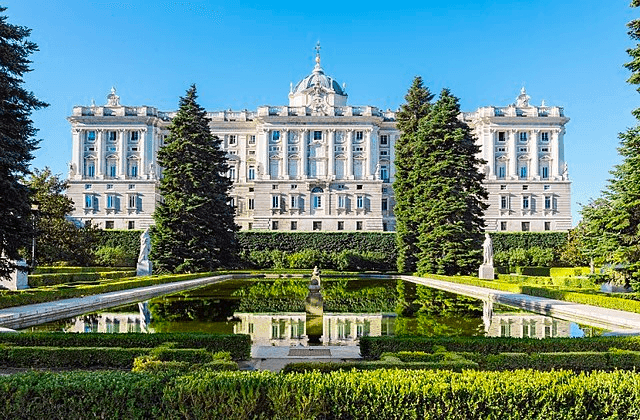
Madrid, Spain's bustling capital, has officially introduced an ambitious expansion to its low-emission transit framework, broadening the scope of Madrid Central to encompass additional historic districts across the city core. This initiative marks a significant turning point in the city's broader urban sustainability strategy, aiming to drastically curb atmospheric pollution, reduce vehicular traffic congestion, and elevate the overall quality of life for both full-time residents and millions of annual international visitors.
Expanding the Eco-Zone Scope
Under the newly updated regulations, several neighboring historic quarters—famed for their narrow cobblestone streets, vibrant plazas, and dense architectural heritage—are now designated as high-priority pedestrian and zero-emission corridors. By restricting access for high-emitting gasoline and diesel vehicles, city planners intend to preserve historic facades against carbon degradation while minimizing ambient noise levels around major landmarks such as the Royal Palace, Plaza Mayor, Puerta del Sol, and the literary district of Barrio de las Letras.
The local municipal council has emphasized that the goal is not to discourage travel or commerce, but rather to shift movement within the urban core toward cleaner, quieter, and more sustainable methods of transportation. Early trial phases in central sectors demonstrated a marked drop in nitrogen dioxide levels, encouraging authorities to roll out these permanent guidelines across an extended perimeter.

Clean Mobility Infrastructure Improvements
To ensure seamless accessibility for commuters and travelers alike, the municipality has invested heavily in expanding Madrid's eco-friendly transit infrastructure.
Expanded Electric Shuttle Network: A new fleet of complimentary zero-emission minibuses now operates along frequent routes, connecting key metropolitan subway hubs on the outer edge of the zone directly to central heritage landmarks.
Upgraded BiciMAD System: The city’s public electric bicycle sharing service, BiciMAD, has added dozens of new docking stations across the newly designated zone, complete with an increased fleet of light, high-efficiency e-bikes.
Zero-Emission Taxi Fleet: Traditional taxicabs operating within the central perimeter are transitioning rapidly to fully electric or high-efficiency hybrid models, supported by dedicated fast-charging stations integrated discreetly into city streets.
Expanded Pedestrian Thoroughfares: Key avenues and popular shopping streets have undergone physical redesigns, featuring widened sidewalks, improved accessibility ramps, and added green spaces with native trees to combat urban heat islands.

Essential Tips for Travelers and Visitors
Navigating Madrid’s updated central transit zone requires minimal adjustment for tourists, as public transportation remains the most efficient and stress-free option for getting around.
Rely on the Madrid Metro Network: The city's extensive subterranean subway system covers every corner of the historic center. Metro trains and public EMT Madrid buses continue to run without restriction, offering fast, budget-friendly access to top sights.
Utilize BiciMAD for Short Trips: Renting an electric bike is one of the quickest ways to navigate between neighboring plazas. Riders can unlock bikes using a smartphone app or contactless travel card at any station hub.
Check Rental Vehicle Environmental Stickers: If you plan to rent a car during your stay in Spain, verify with the rental agency that the vehicle carries an official environmental badge (Distintivo Ambiental) issued by local traffic authorities. Vehicles without an 'ECO' or 'Zero' rating face strict entry bans and automated camera fines when entering restricted areas.
Take Advantage of Free Electric Shuttles: Look for designated stop signs marked with green zero-emission route badges near major metro terminals to catch free electric shuttle rides into pedestrianized commercial zones.
Long-Term Vision for Southern Europe
Madrid’s transit expansion aligns with broader European Union climate objectives, serving as a regional blueprint for how historic southern European capitals can modernize their infrastructure without sacrificing cultural charm or economic vitality. As urban spaces across the continent work to balance tourism with environmental responsibility, Madrid's multi-modal approach offers a practical, highly accessible model for sustainable urban travel.
Was this travel report helpful for your journey?
Let our editorial desk know how this coverage assisted your plans.